Information and Communication Technology
Aims
- provide students with a body of essential knowledge, concepts and applications of information, communication and computer systems;
- equip students with problem solving and communication skills, and encourage them to think critically and creatively;
- develop students into competent, effective, discriminating, ethical and confident users of ICT , so as to support their life long learning; and
- provide students with opportunities to appreciate the impact of ICT on our knowledge based society, so as to nurture in them positive values and attitudes towards this area.
Curriculum
Junior Grade ICL Curriculum
We aim to provide our students with a stimulating Information and Communication Technology (ICT) education that nurtures creativity, critical thinking, and practical problem-solving skills. Here’s an overview of what your child will learn in the junior grades:
Junior Secondary Information Literacy (ICL)
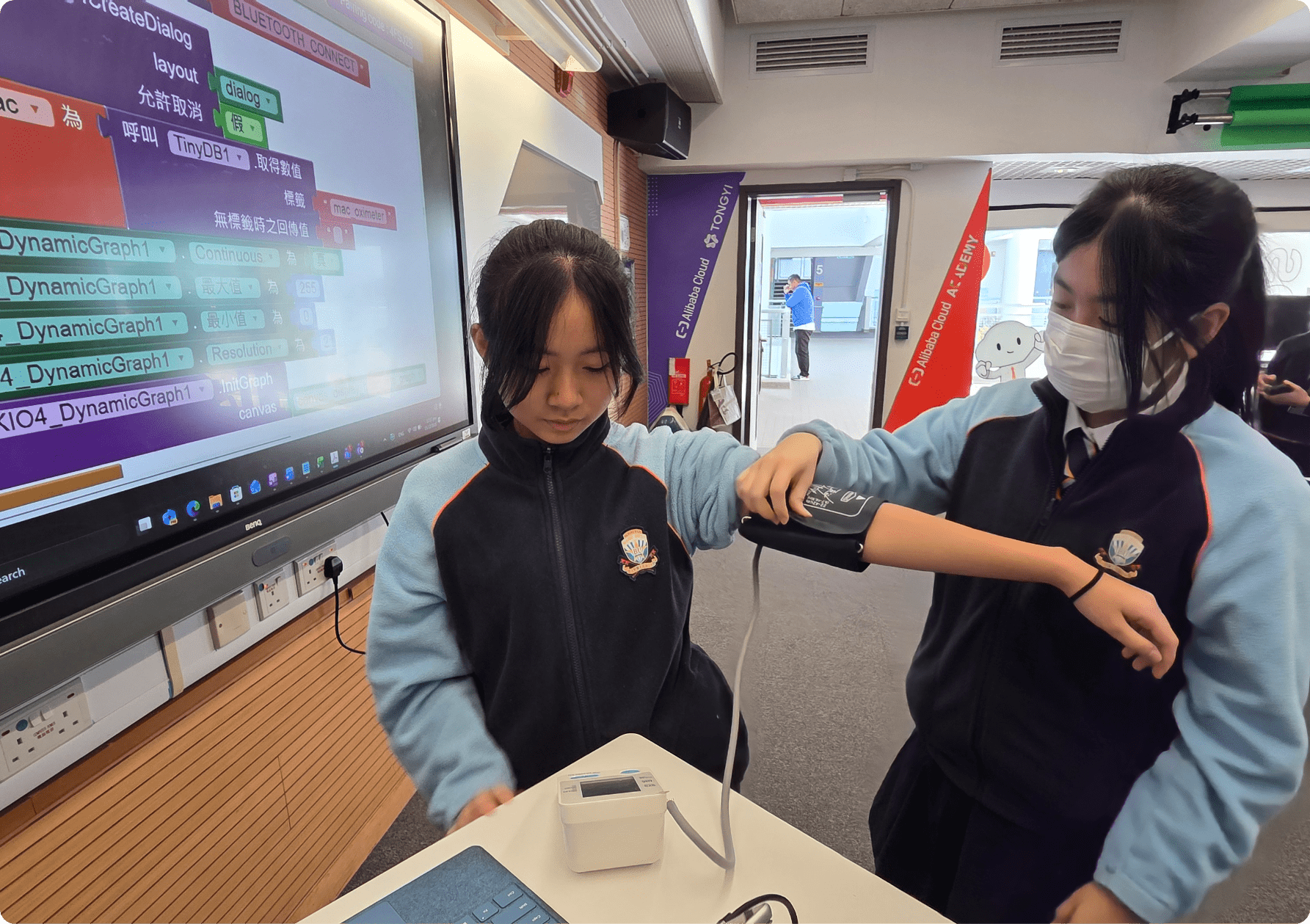
In Grades 7–9, our Information Literacy (ICL) programme helps students become confident, responsible and capable users of technology. Students learn to locate and evaluate information critically, handle data accurately, and communicate ideas effectively through digital products. The curriculum also emphasises digital citizenship—privacy, cybersecurity awareness, and ethical behaviour online—so students can participate safely and respectfully in a technology-rich world. Alongside these core literacy skills, students build computational thinking and hands-on making skills through coding and physical computing, and explore emerging technologies such as AI, robotics, 3D design, VR and IoT through practical projects. Our approach focuses on:
| Area | Learning Focus |
| Information & data literacy | Search, evaluate, organise, analyse, and present information using appropriate digital tools. |
| Digital citizenship | Privacy, security, ethical use of information, and responsible participation online. |
| Computational thinking & creation | Algorithms, programming (e.g., Python), and making with microcontrollers/robotics. |
| Emerging technologies | Practical exploration of AI (including generative AI and ethics), 3D technologies, VR, and IoT in real-world contexts. |
Senior Grade ICT (HKDSE) Curriculum
The curriculum is organised into a Compulsory Part and an Elective Part, as shown as follows:
| The Compulsory Part (144 hours) | |||
| A. Information Processing | (37 hours) | B. Computer System Fundamentals | (20 hours) |
| C. Internet and its Applications | (31 hours) | D. Computational Thinking and Programming | (48 hours) |
| E. Social Implications | (8 hours) | ||
| School-based Assessment (76hours) | |||
| A. Database | (38 hours) | C. Algorithm and Programming | (38 hours) |
| School-based Assessment (76hours) |
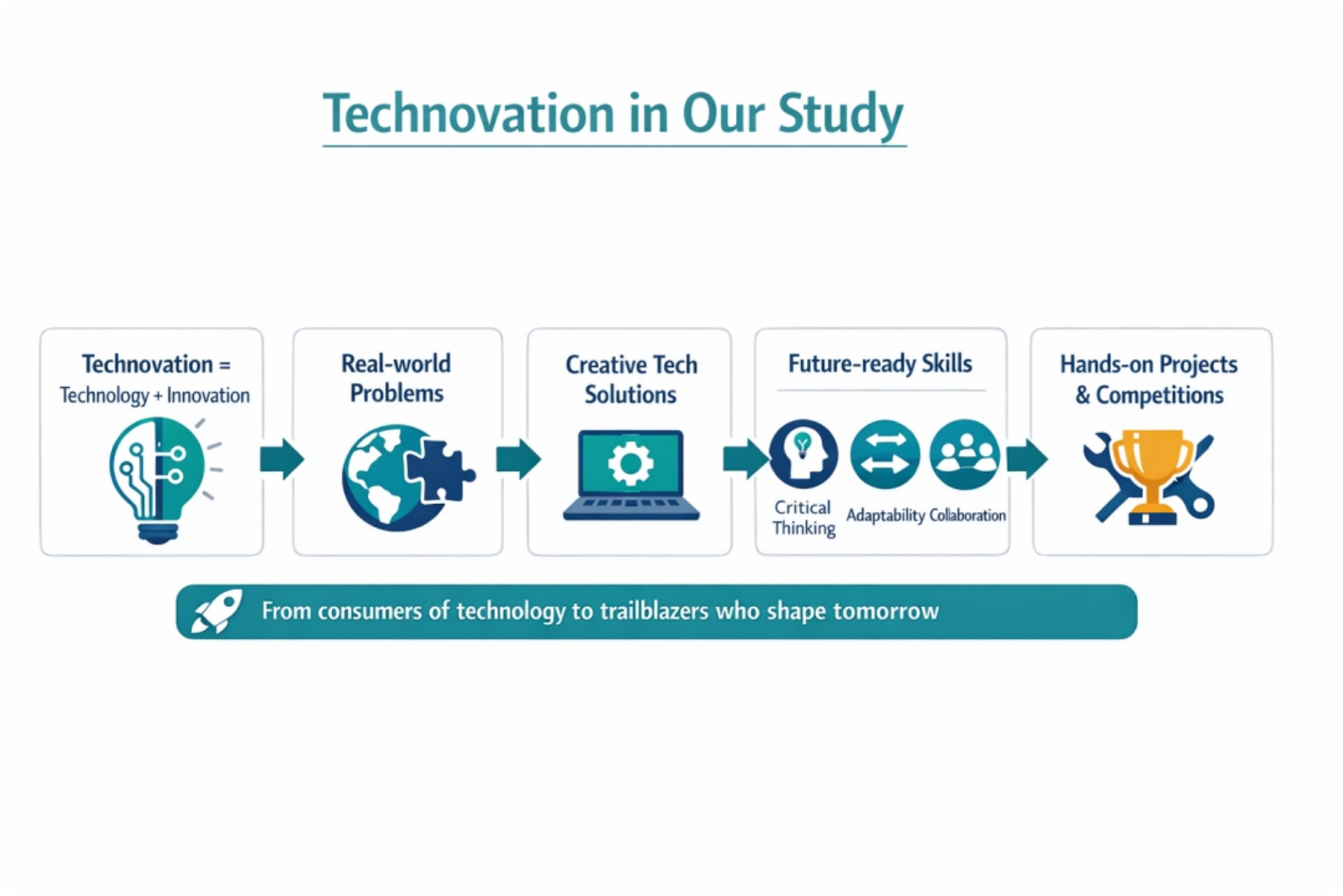
Technovation in our study
At the heart of our educational approach lies the conviction that Technovation—where technology meets innovation—offers a dynamic avenue for students to deepen their learning. By engaging with real-world problems and creative technological solutions, students develop critical thinking, adaptability, and collaboration skills essential for the future.